The Shooting of the Albatross
The Rime of the Ancient MarinerThe Shooting of the Albatross is the Ancient Mariner’s decisive act of violence and the turning point that makes his voyage a story of guilt and penance. He shoots the bird with a crossbow after it has followed the ship through the ice and a good south wind has sprung up; he later calls the deed hellish and links it to the woe that follows. The shooting sets a sharp reversal against the bird’s apparent companionship and the ship’s renewed movement, and its consequences reach beyond the moment of death into the Mariner’s damaged capacity to pray.
Background and the Bird’s Arrival
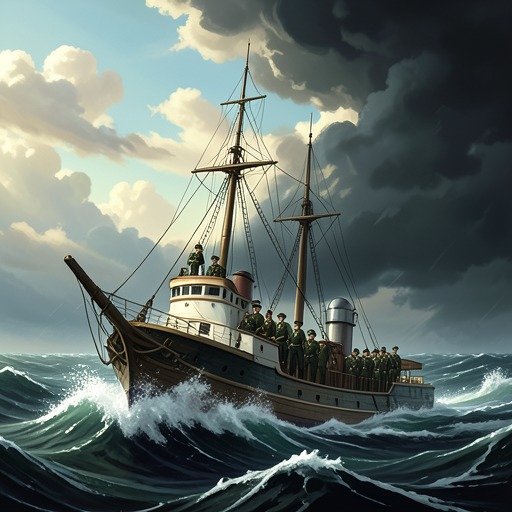
The ship first leaves harbour in motion, cheered as it clears the harbour and drops below the kirk and hill. The voyage then turns into danger when the Storm-Blast arrives, tyrannical and strong, driving the ship onward with its “o'ertaking wings.” The Albatross appears amid the ice: as the ice splits, the helmsman steers the ship through, a good south wind rises behind, and the bird follows. Its presence accompanies a change from confinement toward passage and renewed movement.
That sequence makes the shooting a rupture in an unfolding reprieve. The bird is not presented as an attacker: it follows the ship after the helmsman has brought it through the ice, while the south wind has begun to carry it forward. Against that circumstance, the Mariner’s use of a crossbow is abrupt and consequential. The poem establishes the act against the practical realities of a working voyage—weather, ice, steering, and wind—before revealing its spiritual and moral cost.
The Shot and Recognition
The act is narrated within the Ancient Mariner’s account to the Wedding-Guest. A question about the Mariner’s strange appearance immediately precedes his confession of the shot: he answers the encounter by identifying the deed, saying that with his crossbow he shot the Albatross. The weapon makes the killing a deliberate physical action, while the abruptness of the confession gives the moment the force of a rupture in the tale.
The Mariner’s recognition follows directly. He says he has done a hellish thing and that it will work the other mariners woe; he also reports that all agreed he had killed the bird. His own judgment therefore appears alongside the crew’s accusation. The deed is not left as an unexplained incident: the narrator identifies it as wrongdoing and anticipates its consequences, even before the full burden of those consequences is unfolded.
Consequences and Penance
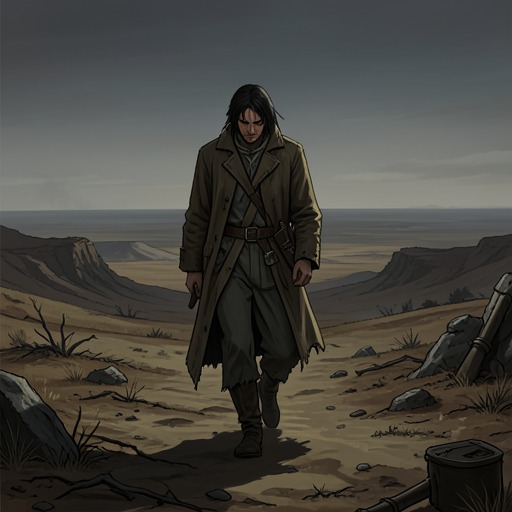
Later, the shooting’s effect is registered through prayer. Looking at the dead men on the rotting deck, the Mariner tries to pray, but a wicked whisper intervenes before any prayer can escape him. The episode connects the killing to a prolonged spiritual isolation: the Mariner is not merely remembering a dead bird but living with a damaged relation to prayer and the dead crew around him.
A change comes when he sees the water-snakes. Their beauty prompts a spring of love in his heart; he blesses them unaware, and in that same moment he can pray again. The Albatross then falls from his neck and sinks. This later release does not erase the shooting; it shows how the Mariner’s recovery begins through a changed response to living creatures, in contrast to the earlier violence against the bird.
Narrative Significance
The event’s force lies in the contrast between the voyage’s physical reprieve and the Mariner’s sudden violence. The ship has escaped the ice, the helmsman has steered it through, and the wind has risen; the bird follows rather than obstructs that passage. The shot breaks this pattern, converting an episode of apparent relief into the origin of the Mariner’s woe and the burden he must bear.
The poem also makes the event the starting point for a longer moral arc rather than a self-contained killing. The Mariner’s later inability to pray and his renewed capacity after blessing the water-snakes give the shooting an enduring spiritual consequence. Its significance rests both in the immediate confession of guilt and in the contrast between taking a creature’s life and learning to respond with love to living things.